? Below: Are the so-called "teen takeovers" in Chicago really worse than the moral panics of the 1970s, '80s and '90s? The Sun-Times' Mary Norkol dives deep into the topic.
?️ Plus: The plan to swap the White Sox and Amtrak is scrapped, Mayor Brandon Johnson doubles down on his corporate head tax pitch, Chicago's essential Puerto Rican restaurants and more news you need to know below.
☁️ Today's weather: Cloudy with a high near 41.
✍️ Programming note: Look out for special Thanksgiving and Black Friday editions of this newsletter. Then it's back to our regular schedule Monday.
⏱️: An 8-minute read
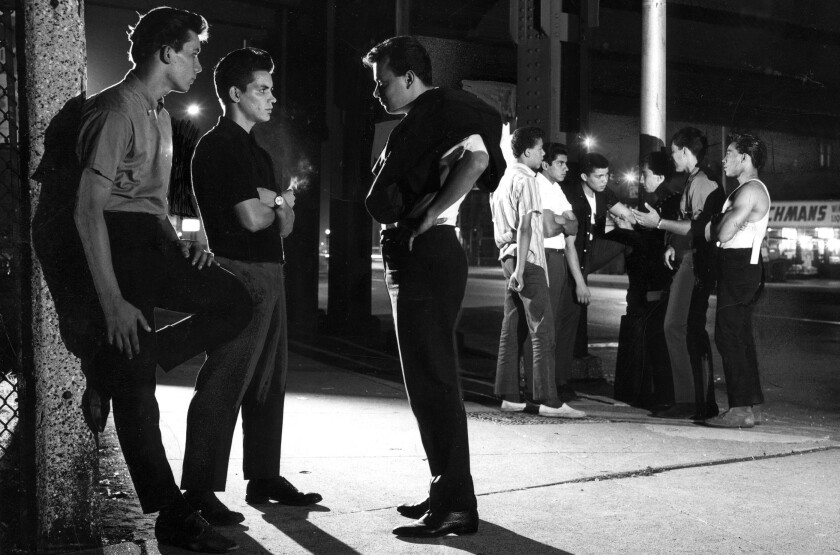
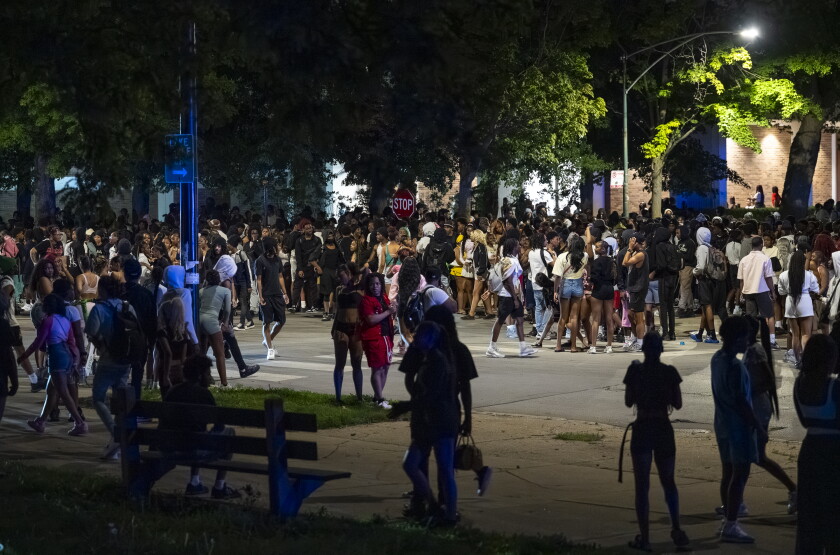
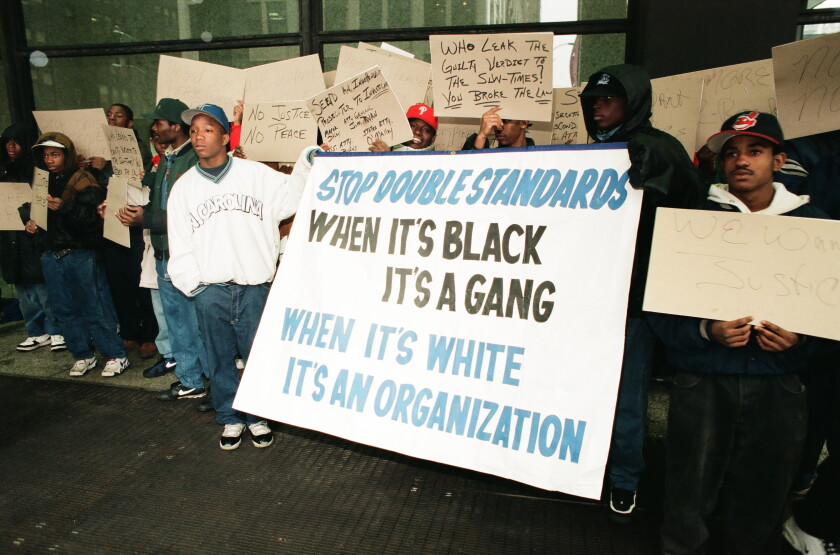
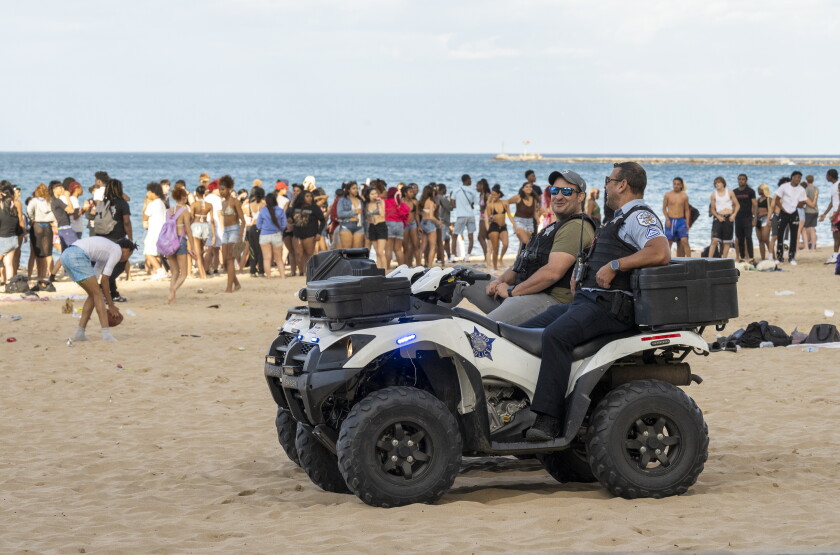
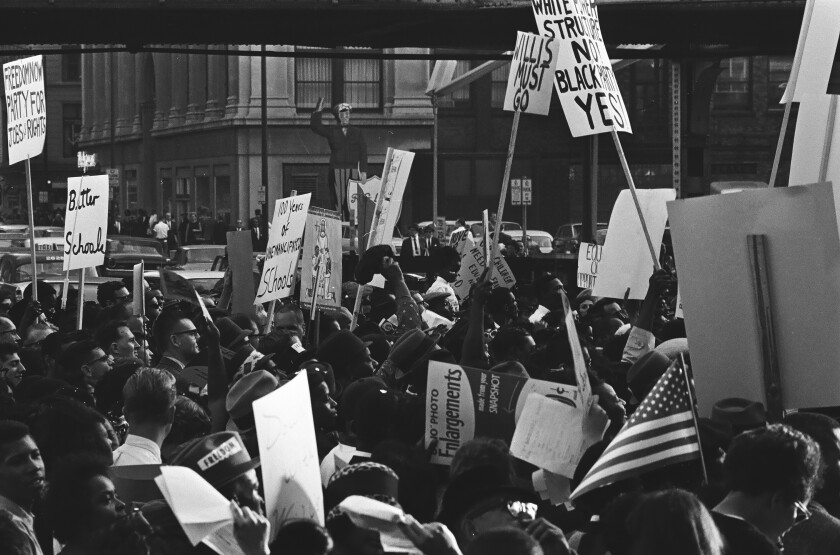
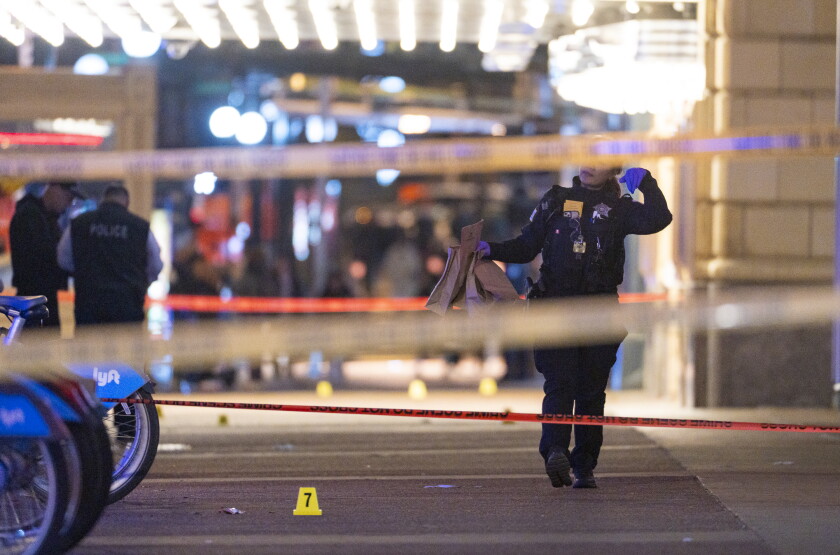
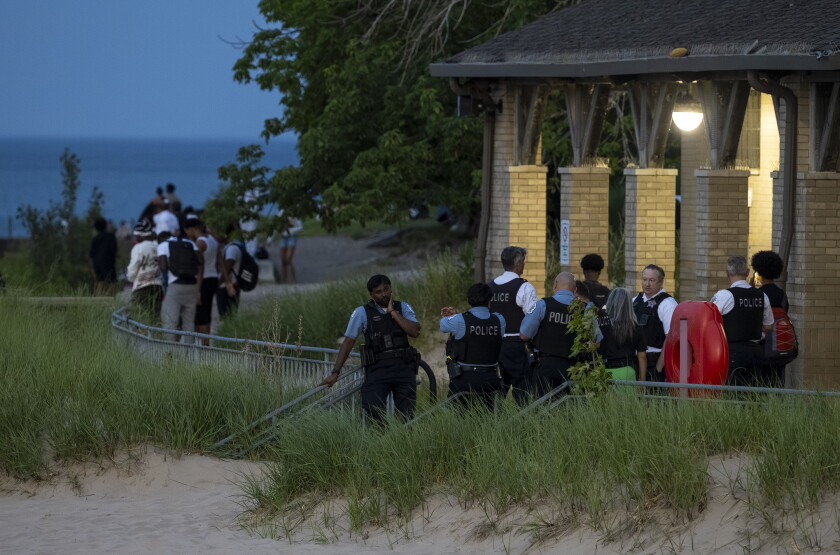
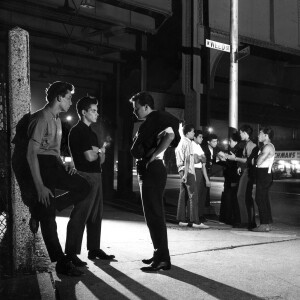
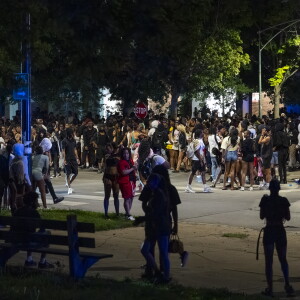
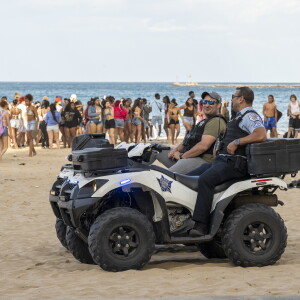
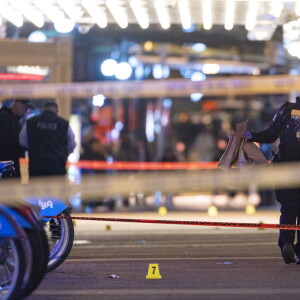
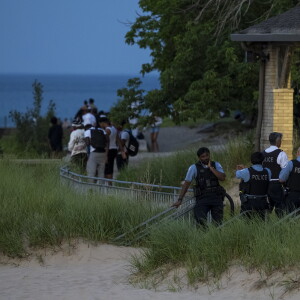
Getting together: It starts with a hastily made flyer on social media naming a time and place. Then it snowballs into hundreds of young Chicagoans, mostly teenagers of color, gathering to hang out with friends. The teens have a good time and then head home. Neighbors may be irritated, police may keep an eye on them, but the gathering is little more than an inconvenient disruption.
At issue: Sometimes, these gatherings end in tragedy. One year ago, a teen boy was killed and eight others were wounded in a shooting at a so-called "teen takeover" downtown. A few years before that, another teen boy was shot and killed during a similar gathering in the same place. Now the gatherings, even the nonviolent ones, draw judgment and outcry from adults around Chicago and the suburbs.
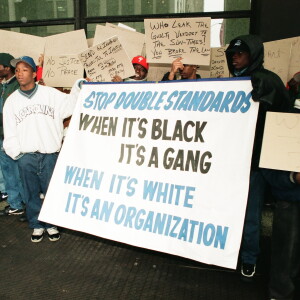
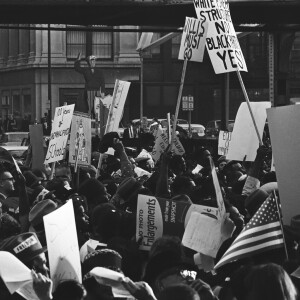
Past and present: To the Chicago History Museum's Greg Storms, the response reflects past moral panics — and the strained relationship young people and adults have always had. Very few elements of these gatherings are new, except maybe the scale. Social media and other technology have allowed these unofficial, often disorganized gatherings to grow by the hundreds.
Go deeper: Reporter Mary Norkol examines Chicago's history of "teen takeovers," digging into how race plays a role in the way gatherings are perceived and past trends of "wilding," "Punkin' Donuts" and social demonstrations, spanning the 1970s to 1990s. Read more here.
Listen up: Mary also joined Mary Dixon and Patrick Smith on Tuesday's "Say More" talk show to break down her reporting and answer listeners' questions. Listen here.
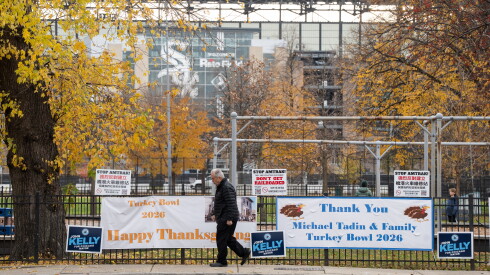
Screeching halt: Plans that would have allowed Amtrak to move a controversial maintenance facility to Bridgeport and make way for a South Loop White Sox stadium came to a screeching halt after the Federal Railroad Administration on Monday pulled funding and called the plan "fiscally untenable."
Key context: Amtrak had planned to sell its 14th Street property to move to the existing Canal Street rail yard in Bridgeport, which drew massive community opposition. White Sox minority owner Justin Ishbia's company, Canal Edge LLC, had proposed a mixed-use development called the Railyards as the site for a new Sox stadium, which would have been built where Amtrak’s Chicago Coach Yard operates.
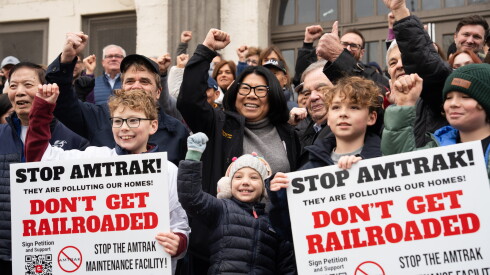
Community rallies: Ald. Nicole Lee (11th), who lives near the proposed development and led the political charge against it, applauded the decision Tuesday in Armour Square Park alongside fellow neighborhood activists. "We've advocated relentlessly to make sure that this project could not destroy a neighborhood that thousands of Chicagoans call home, and we’re proud to have succeeded," she said.
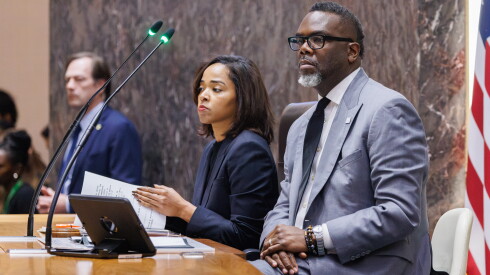
Doubling down: Mayor Brandon Johnson amended his proposed 2027 budget, introducing a new tax on vacant, privately owned land in an effort to close a $75 million spending plan gap. The revised proposal leaves intact his proposed corporate head tax, which is the biggest obstacle to securing City Council support. The head tax would apply to companies with more than 125 employees.
The dealbreaker: A majority of alderpersons have urged Johnson to drop the head tax and apply the $75 million up-front payment from Stonepeak Partners, the New York investment firm that acquired Chicago's parking meters, to the 2026 budget as an extra payment to chip away at the city’s $36 billion pension crisis.
Battle looms: "As long as there is a head tax in the budget, there will not be enough votes to pass the budget," said 34th Ward Ald. Bill Conway.
In the Loop with Mariah Woelfel, 9 a.m.
Say More with Mary Dixon and Patrick Smith, 10 a.m
Today's clue: 8A: ___ Carberry (Chicago-based singer-songwriter of "The Year I Went Blind")
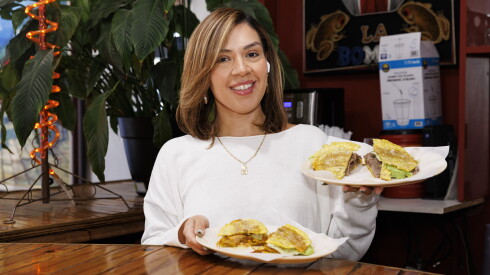
For her latest, Sun-Times arts and culture reporter Ambar Colón pulled from her family's list of go-to Puerto Rican restaurants from when she was growing up and tried some newer spots in the city.
The result is an essential list of six old-school and new Puerto Rican restaurants worth visiting for anyone who knows the cuisine well or is looking to try their first dish. Though she couldn't cover everything, these are some of her picks:
Borinquen, 3811 N. Western Ave.
Juan "Peter" Figueroa "invented" the jibarito at Borinquen in the 1990s, using flattened and fried plantains to replace sandwich bread the same way people in Puerto Rico have done for years. Today, his niece co-owns the restaurant in its new location and carries on the legacy. Try the signature hot sauce.
La Bruquena, 2726 W. Division St.
The best time to eat at La Bruquena is on a Friday or Saturday night, when the restaurant hosts live music. While you're there, get the mofongo stuffed with shrimp, served with chicken broth.
Jibaritos on Harlem, 3317 N. Harlem Ave.
If you want to try or re-experience Chicago Puerto Rican food, this is the place. Besides solid dishes like mofongo, bistec encebollado and (of course) the jibarito, this spot also has a great brunch menu with Puerto Rican-inspired dishes such as guava pancakes, tostón toast and the jibarito breakfast burger.
Where do you now, or where did you meet up with old pals when everyone's back in town for the holidays? And why's that the spot?
Reply to this question via email (please include your first and last name). We may run your answer in a future newsletter or story.
Thanks for reading the Sun-Times Morning Edition! Got a story you think we missed? Email us here.
Written and curated by: Matt Moore
Editor: Michael Lansu
Copy edited by: Satchel Price